Smile Club Veneers

ACTIVE SMILE DESIGN

A smile that feels like you. Planned with your dentist.

A natural-looking smile starts before the veneers are made. Digital smile design helps you and your dentist explore shape, shade and proportions, then plan treatment around your teeth, your face and your goals.
The aim is not a template smile. It is a look you feel comfortable with, supported by a treatment plan your dentist has assessed.
SMILE DESIGN
PLAN BEFORE PORCELAIN

Plan the smile before the veneers are made.

What would you like to change, and what would you like to keep? Smile design gives you and your dentist a visual starting point for that conversation.

Preview first

Explore a proposed look and talk through your options before deciding on treatment.

Designed around your face

Consider tooth shape, length and proportions alongside your face and smile.

Refine the details

Discuss what feels right and what needs adjusting before the final veneers are made.
DENTIST-LED PLANNING

From your first conversation to a shared plan.

Your dentist guides each step, with the lab supporting the agreed design.

1. Understand your starting point

RECORDS AND GOALS
Talk through what you would like to change and what you would like to keep.
Your dentist assesses your teeth, bite and gum health. Photos, scans and other records help you, your dentist and the lab understand the starting point.
The records guide the design. Your dentist will explain which ones are needed for your case.
Your goals, supported by clinical records.

2. Explore the proposed smile

REVIEW AND REFINE
A visual proposal, considered alongside your face and smile.
Review the proposed shape, shade and proportions together. This is the time to ask questions and refine the direction before the final veneers are made.
Your dentist will confirm the next steps and timing for your case.

3. Agree the treatment plan

CLINICAL ASSESSMENT
The look you prefer must also work for your teeth, gums and bite.
Your dentist checks the design against your clinical needs. Alignment, whitening or other care may be considered before veneers, where appropriate.
Ask about the options, risks, care and timing before you decide.
A preview helps explain the proposal. It does not replace a clinical assessment or guarantee the finished result.
FROM DESIGN TO PORCELAIN

The detail is in the finish.

SHAPE, SHADE AND SURFACE DETAIL
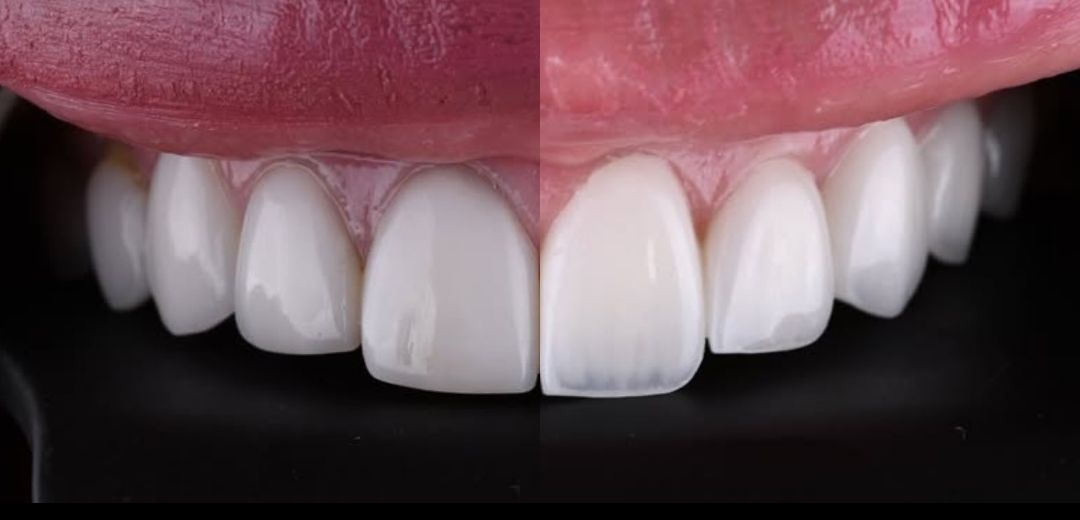
The agreed design gives your dentist and the lab a shared reference for the veneers. Shape, shade and surface detail all contribute to how the finished smile looks.

Explore veneer case examples.

FROM OUR RESULTS GALLERY
Look at the details. Talk about what suits you.
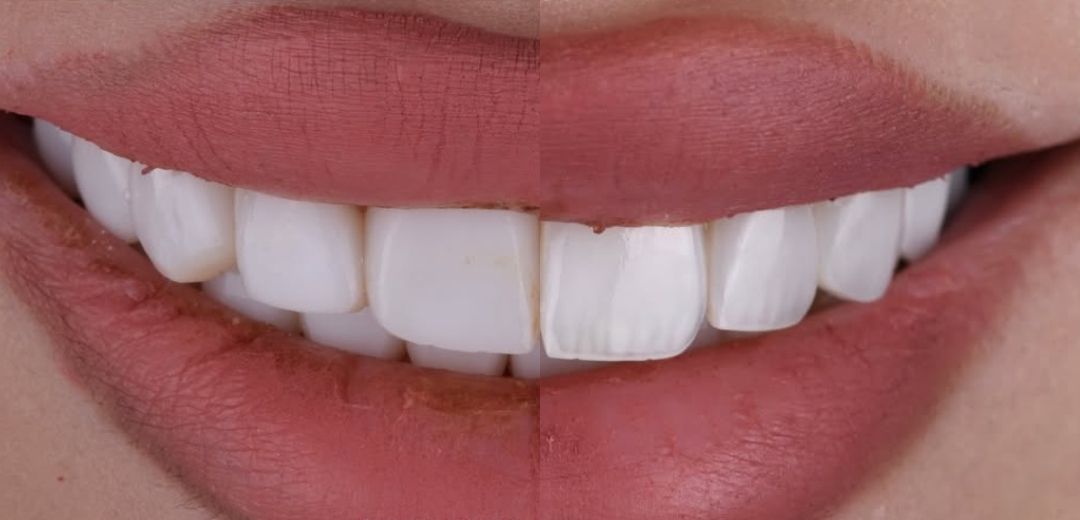
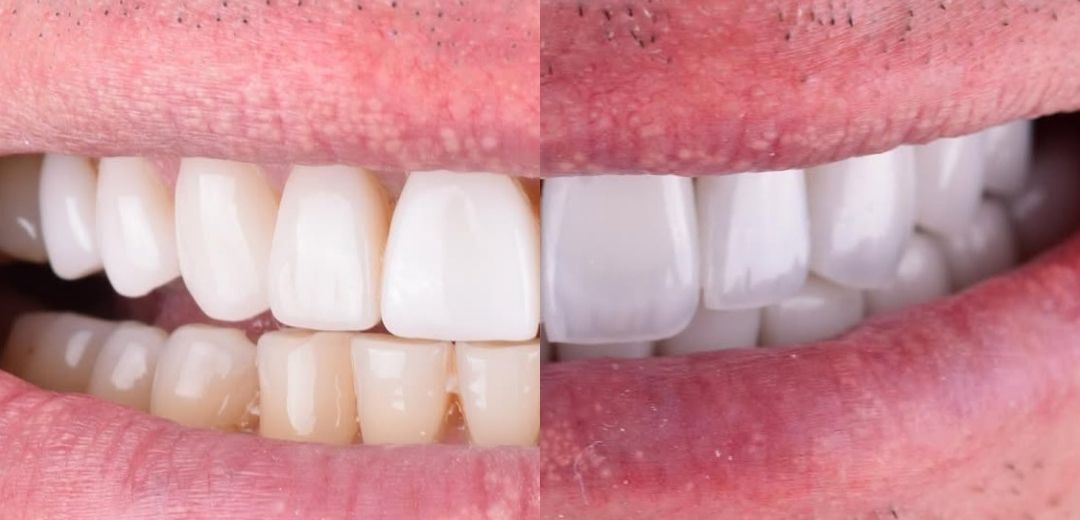
These are examples from our veneer gallery, not a preview of your own treatment. Use them to discuss the look you like. Your dentist will explain what is appropriate for your teeth and bite.
CASE EXAMPLE
Compare the shape, proportions and finish.
Notice how changes in length and shade affect the smile.
CASE EXAMPLE
Details that make a smile feel individual.
Results vary. Your dentist can explain what is appropriate for your teeth and bite.
DENTIST NOT LISTED?

Already working with a dentist?

You can still ask your dentist about Smile Club Veneers and smile design.
If you already have a dentist, ask them whether Smile Club Veneers could be suitable for your case. If you are looking for a practice, our provider directory is a good place to start.
SMILE DESIGN

Your questions, answered.

YOUR QUESTIONS
What is digital smile design?

Digital smile design uses photographs and dental records to explore a proposed smile. It helps you and your dentist discuss shape, shade and proportions before agreeing on treatment. It is a planning conversation, not a replacement for an examination.

A digital preview shows a proposed direction, not an exact promise of the final veneers. Your teeth, gums, bite, chosen materials and clinical treatment all affect the finished result. Your dentist will explain what is realistic for your case.

In suitable cases, a dentist may offer a temporary mock-up to help you explore the proposed shape in your mouth. It is different from a digital image and from the final ceramic veneers. Ask your dentist which preview options are appropriate and available for your case.

Start with a consultation. Bring examples of what you like and explain what concerns you about your current smile. Your dentist can assess your teeth and discuss whether smile design and veneers are appropriate.

Alignment may be considered first if tooth position needs to change before veneers are planned. It is not a routine step for everyone. Your dentist will assess your teeth, enamel, bite and goals before recommending the sequence that is appropriate for you.

Timing depends on your starting point and treatment plan. Your dentist will assess whether alignment, whitening, gum health, or bite changes need to be addressed before veneers.

Smile design helps you, your dentist, and the lab discuss the proposed direction before the final veneer work begins.

Discuss the look you want with your dentist, whether that is a “Hollywood Bright” or “Natural Soft” shade. Smile design helps you review the proposed shape, shade, and proportions before the final veneers are made. The final plan depends on your dentist’s assessment.


Ceramic veneers and natural teeth do not respond to staining in exactly the same way. Your dentist can explain what to expect from the chosen material and how to keep your veneers, gums and surrounding teeth clean.

Veneer longevity varies with case selection, preparation design, bonding protocol, and maintenance. Your dentist can advise on care and regular check-ups, and whether a protective night guard is appropriate for you.

 
Educational content only. Smile Club Veneers is a laboratory brand; clinical assessment and placement are performed by independent dentists. Outcomes vary by case selection, preparation design, bonding protocol, and maintenance.